Split Green Market and Fish Market Guide
How to visit Split's green market and fish market, what to buy, when to go, and what tourists should know before shopping.
Reading time: about 4 minutes.
Too Long, Didn’t Read
Split has two useful central markets: Pazar, the green market, and Peškarija, the fish market.
Go in the morning. Pazar is best for fruit, vegetables, local produce, flowers, honey, olive oil, and seasonal food. Peškarija is best for fresh fish and seafood, especially if you have a kitchen and know how to prepare it.
Bring cash, go early, and do not treat the markets like supermarkets. They are part shopping, part local Split atmosphere.
Why visit the markets?
The markets are practical if you are staying in an apartment, but they are also a simple local experience.
You can walk from Diocletian’s Palace to Pazar in minutes, and Peškarija is also central. Even if you do not buy much, they are useful places to understand daily life in Split beyond restaurants, beaches, and sightseeing.
Pazar: Split green market
Best for: fruit, vegetables, herbs, flowers, honey, olive oil, dried fruit, local produce
Best time: morning
Location: beside the eastern side of Diocletian’s Palace
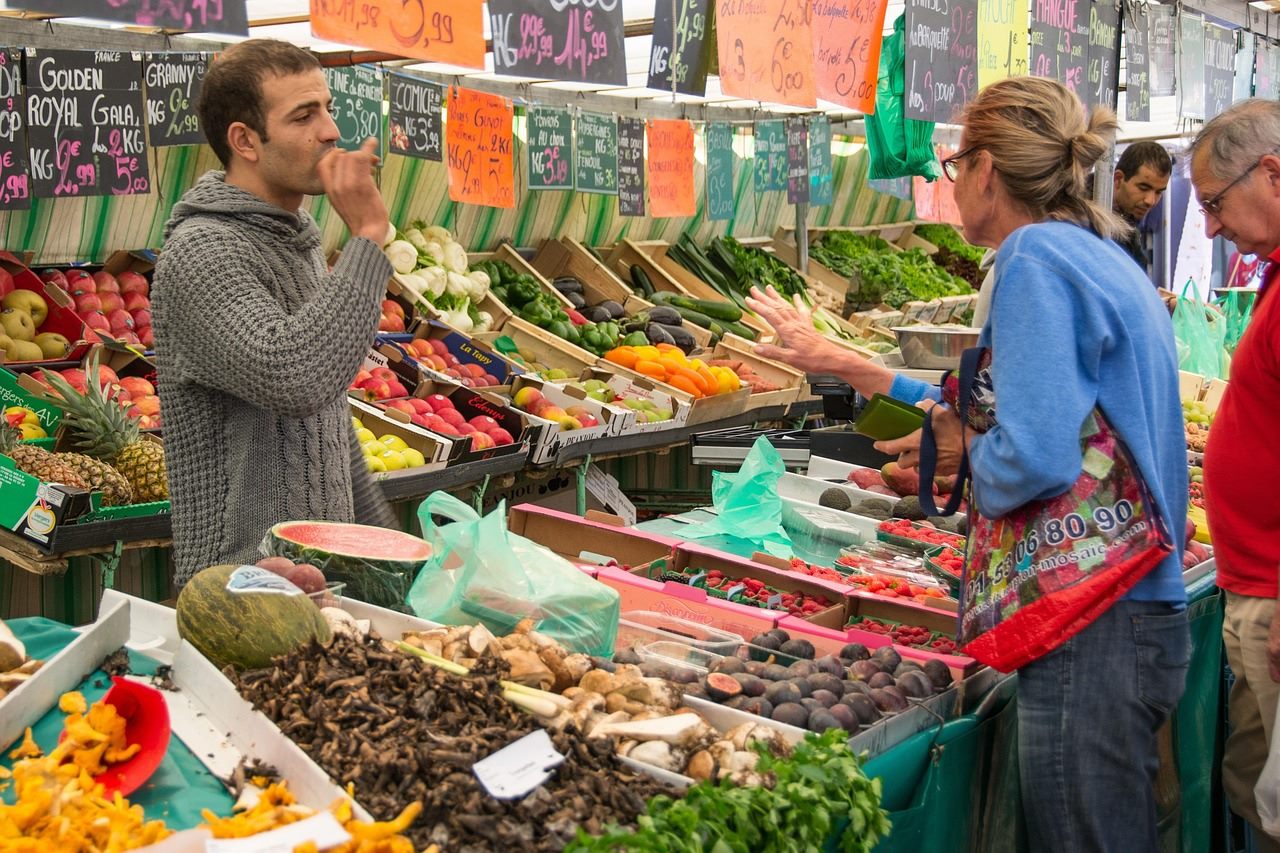
Pazar is the open-air green market next to the old town. It is one of the easiest local places for visitors to experience because it sits right beside the main sightseeing area.
You might buy:
- seasonal fruit
- tomatoes and salad vegetables
- figs, cherries, grapes, or citrus depending on season
- herbs
- flowers
- honey
- olive oil
- dried figs
- small food gifts
If you are staying in an apartment, Pazar is useful for breakfast fruit, salad, and simple cooking ingredients.
Peškarija: Split fish market
Best for: fresh fish and seafood
Best time: early morning
Location: central Split, west of the palace area
Peškarija is Split’s fish market. It is useful if you are staying somewhere with a kitchen and actually plan to cook. It can also be worth a short visit just to see what local fish and seafood are available.
Before buying fish, think about:
- whether your apartment kitchen is suitable
- whether you know how to clean and prepare the fish
- whether your host allows fish cooking
- whether you have oil, salt, lemon, and basic tools
- how soon you will cook it
For many tourists, Peškarija is more interesting as a quick morning stop than a full shopping trip.
When to go
Go in the morning. The earlier you go, the better the choice and the more active the atmosphere.
Late morning can still be fine for a look around, but do not expect the same selection. By afternoon, markets are not the main place to rely on for groceries.
If you need guaranteed packaged food, use a supermarket instead:
Where to buy groceries in Split
Cash and cards
Bring cash, especially for small purchases and individual stalls.
Some places may accept cards, but you should not rely on card payment for every stall. Small notes and coins are useful.
How to shop
Keep it simple:
- look around before buying
- ask the price if it is not clear
- point if language is difficult
- buy small amounts unless you are cooking that day
- keep produce out of direct sun after buying
Do not expect every seller to speak fluent English. Basic English, pointing, and numbers usually work well enough.
What to buy by season
The exact produce changes through the year.
Useful seasonal ideas:
- Spring: asparagus, strawberries, leafy greens, early vegetables
- Summer: tomatoes, peaches, figs, cherries, watermelon, herbs
- Autumn: grapes, mandarins, pomegranates, dried figs, mushrooms when available
- Winter: citrus, greens, potatoes, onions, dried produce
For a visitor, the safest choice is simple: buy what looks fresh and easy to eat without complicated cooking.
Market plus old town walk
A simple morning plan:
- Visit Pazar.
- Walk through Diocletian’s Palace.
- Stop for coffee.
- Continue to Peškarija.
- Walk to the Riva or Matejuška.
This works well as a light local morning before beaches, museums, shopping, or a ferry.